Why the Scale Isn’t Telling the Whole Story About Your Body After 40
If you’re over 40 and the scale feels confusing, frustrating, or flat-out misleading, you’re not alone.
You might be doing “everything right”:
Moving more
Eating better
Being more intentional
And yet the number barely changes. Or worse, it goes up.
Here’s the truth most people don’t tell you:
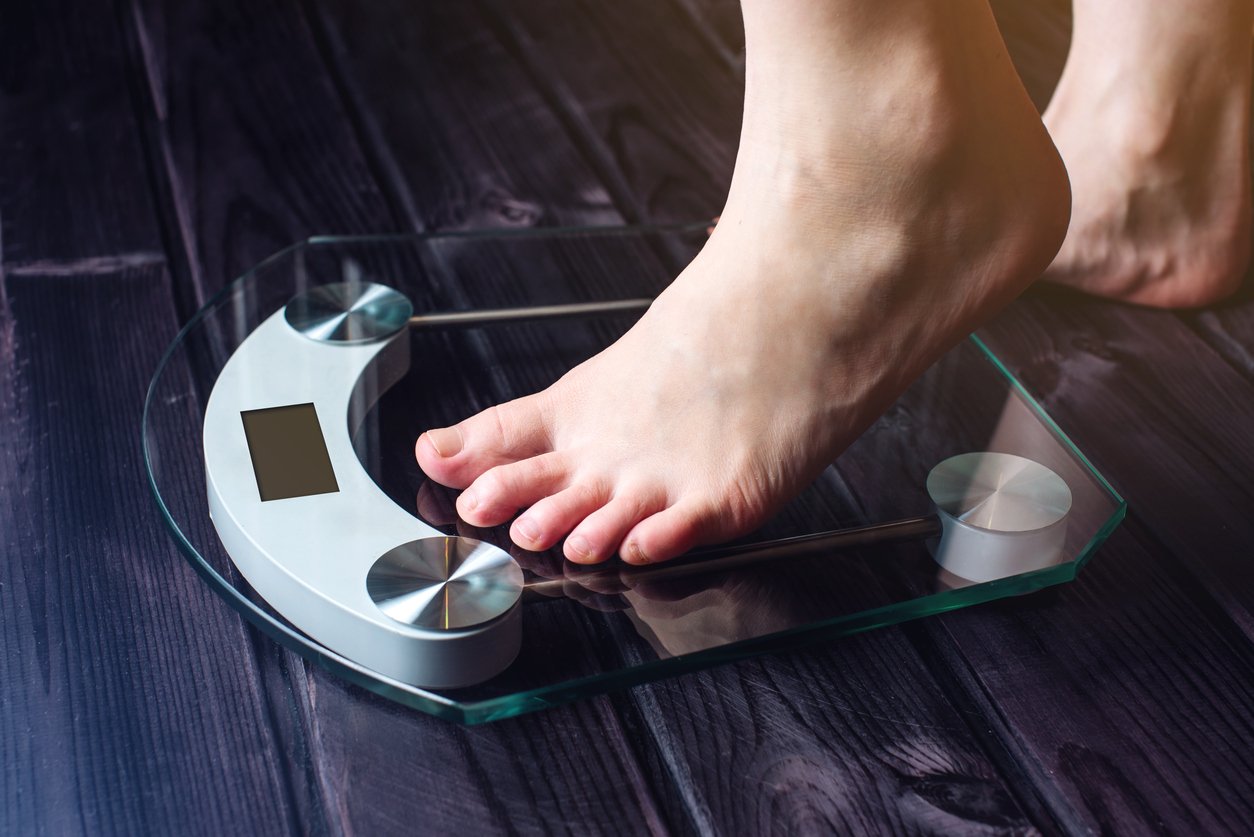
After 40, the scale alone is one of the least useful tools for understanding your body.
That doesn’t mean your body is broken. It means your body has changed, and the way you measure progress needs to change with it.
Why Weight Stops Telling the Truth After 40
In your 20s and early 30s, weight fluctuations were often simple:
Eat less → weigh less
Move more → weigh less
After 40, your body becomes more nuanced.
Hormonal shifts, muscle loss, stress, sleep quality, hydration, and recovery all play a role. Two people can weigh the same and feel completely different in their bodies.
What the scale can’t tell you:
How much muscle you’re maintaining
How well your joints are supported
Why you feel stiff, tired, or unstable
Whether your posture and movement patterns are helping or hurting you
The quality of your muscle cells
If there is inflammation in your body
Level of hydration and nutrient deficiency
This is why people often say:
“I weigh the same, but I don’t feel like myself anymore.”
That feeling matters.
Why Mobility Often Matters More Than Weight
Here’s something I see over and over in my work: People don’t lose confidence because of a number.
They lose confidence because their body feels unreliable.
Getting off the floor feels harder
Long walks feel uncomfortable
Sitting too long creates stiffness
Energy drops faster than it used to
That’s not a weight problem. That’s a mobility, strength, and support problem.
Mobility is what allows your strength to show up. It’s what keeps movement fluid, posture upright, and your body feeling capable.
When mobility improves:
Confidence improves
Energy improves
Pain often decreases
Daily movement feels easier
None of that shows up on a bathroom scale.
Better Data Can Help, But Only If It’s Interpreted Well
Advanced body composition data can be incredibly helpful when it’s used the right way.
It can show patterns the bathroom scale never will:
Whether weight changes are coming from fat, muscle, or water
If stress, inflammation, or under-recovery may be influencing how your body feels
Why your energy, strength, or mobility might not match the effort you’re putting in
But data alone doesn’t create change.
Without proper context, it can just add more confusion, comparison, or pressure, especially after 40, when bodies respond differently than they used to.
That’s where interpretation matters.
The real value isn’t in collecting more numbers. It’s in understanding what they mean for your body and what small, realistic adjustments will actually support strength, mobility, and long-term health.
Used well, better data becomes a guide, not a judgment. And it supports smarter decisions instead of more self-criticism.
It’s worth repeating: Two people can weigh the same and feel completely different in their bodies.
That’s why I’m beginning to use more advanced tools to understand:
Muscle vs fat
Hydration and recovery
How your body adapts to movement and mobility over time
This information helps me guide clients more precisely, especially when confidence, posture, and longevity are the goals.
If you’d like to be notified when this becomes available, you can add your name here.
The Real Goal After 40: Trusting Your Body Again
The goal isn’t to chase a smaller number. The goal is to feel good moving through your life.
To feel:
Steady on your feet
Comfortable in your body
Confident in how you move, stand, and show up
That comes from:
Consistent, intentional movement
Mobility that supports your joints
Strength that works with your body, not against it
Habits you can maintain, not extremes you burn out from
This is the foundation I focus on in all my work.
Where to Start If You’re Feeling Disconnected From Your Body
If you’re not sure where to begin, start small and start smart.
That’s exactly why I created Vibrant40 Jumpstart.
It’s an 8-day program designed to help you:
Reconnect with your body
Improve mobility and foundational strength
Build consistency without overwhelm
Feel more confident in how you move
It’s not about pushing harder. It’s about supporting your body, so it works with you again.